The Best Beginner 35mm Rangefinder Camera
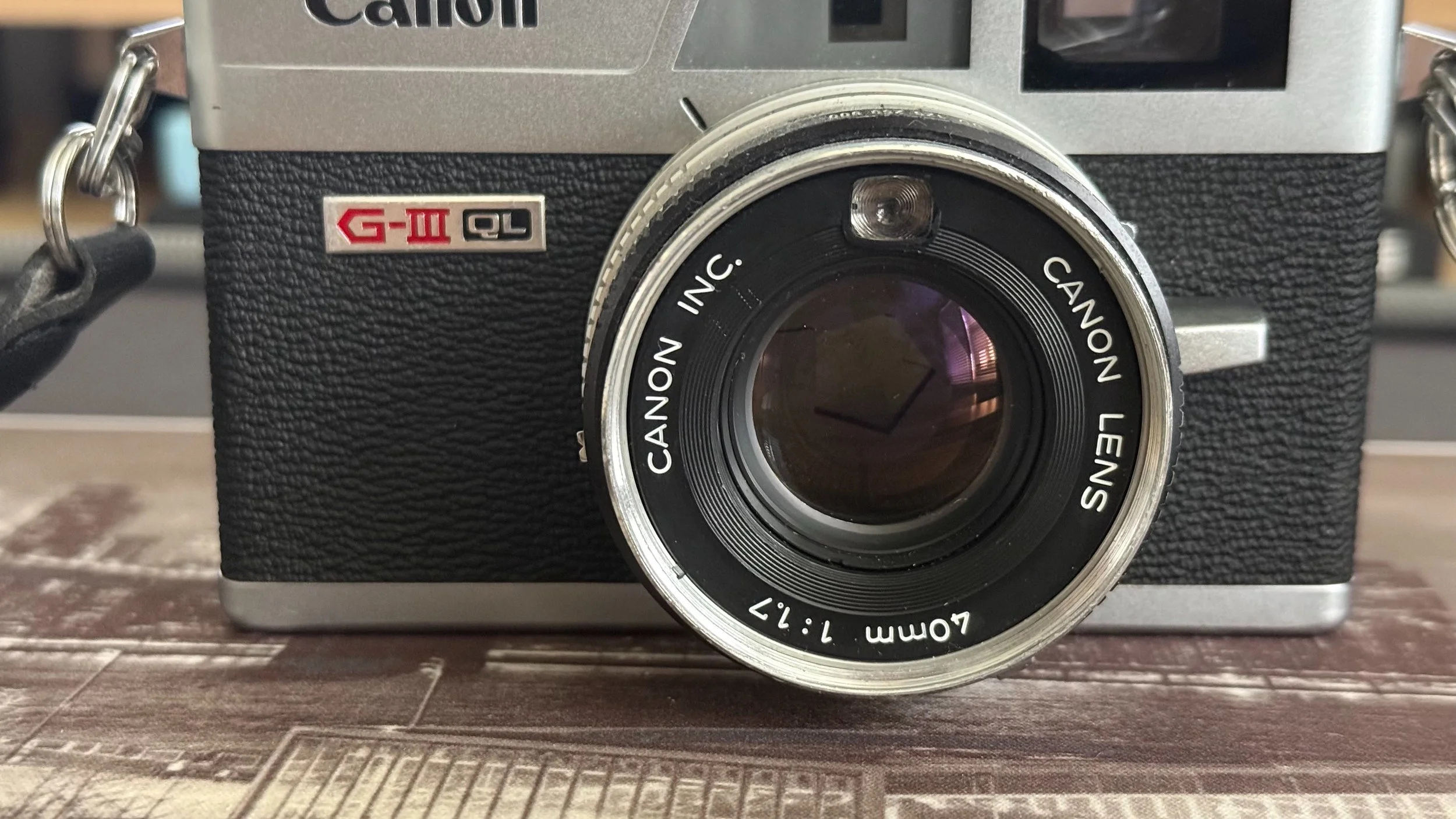
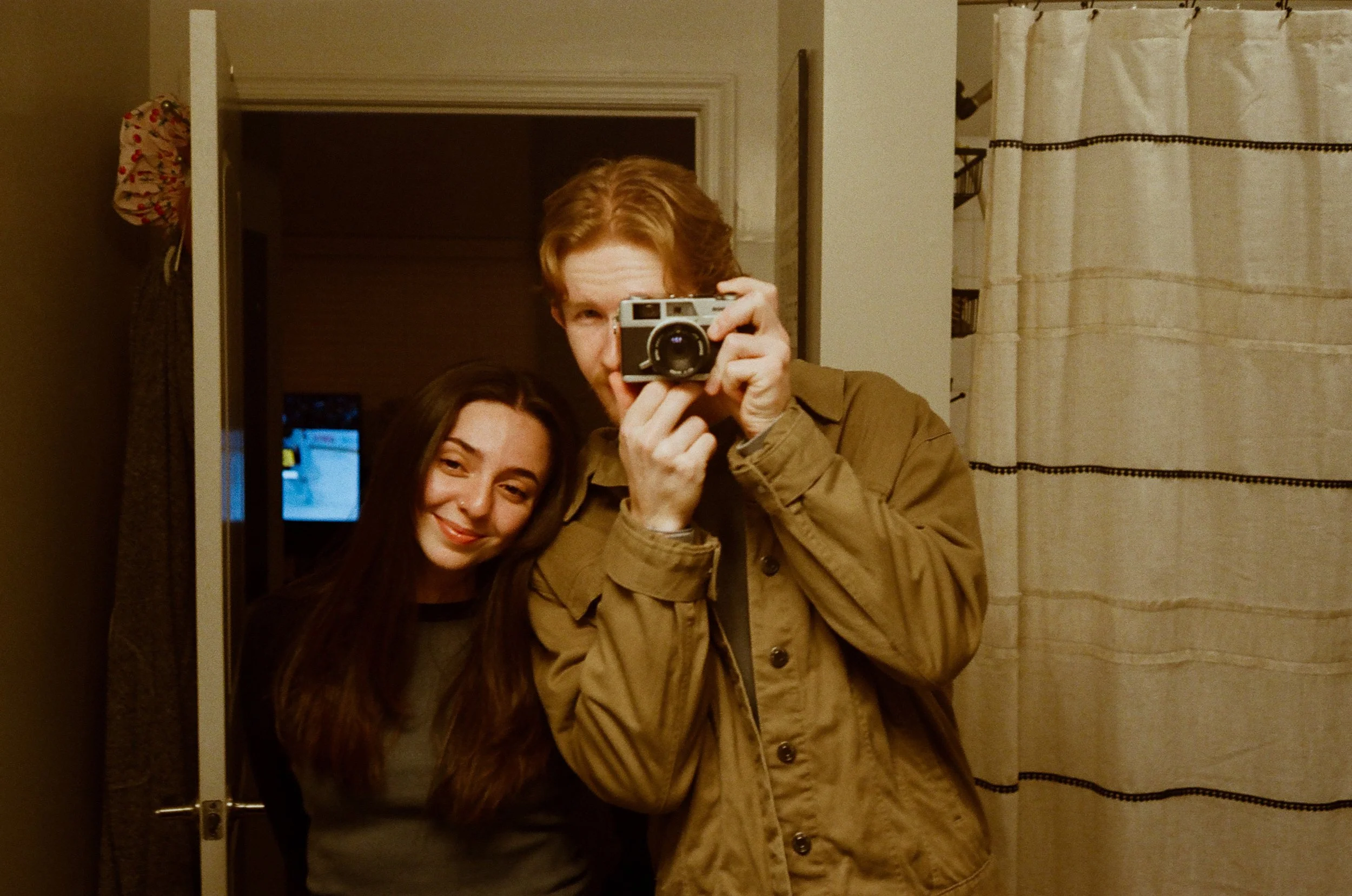
I was recently looking at my gear shelf because there are a few things on there that I haven’t used in a while, and one of those things was my Canon Canonet QL17 GIII camera. It was my first 35mm rangefinder that I bought in August ‘24, and honestly, it might be the camera that I enjoyed using the most (right behind the M6).
If you’re someone looking for their first film camera, or looking to see if you like the rangefinder system, this might be the camera for you.
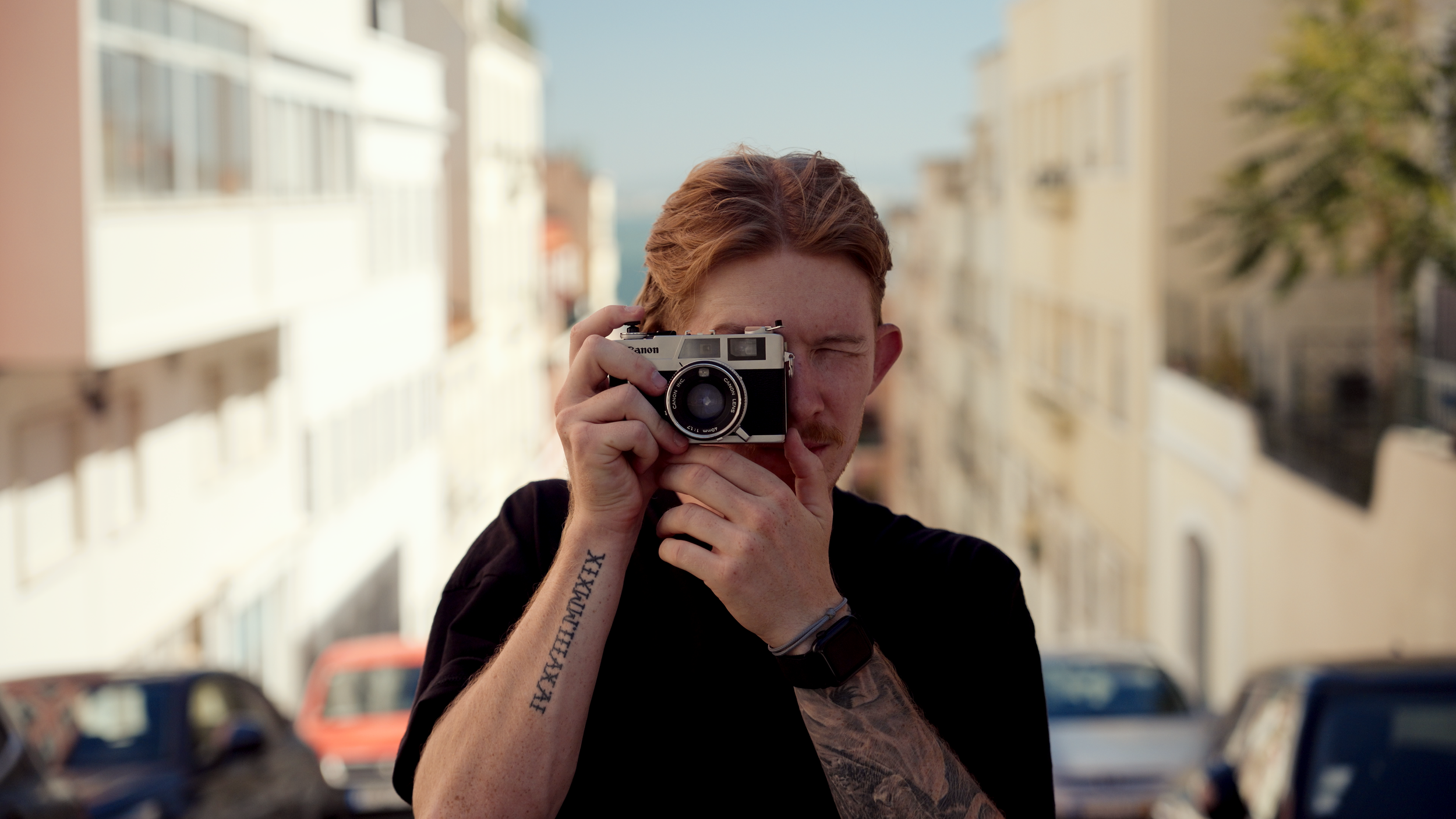
Background/features
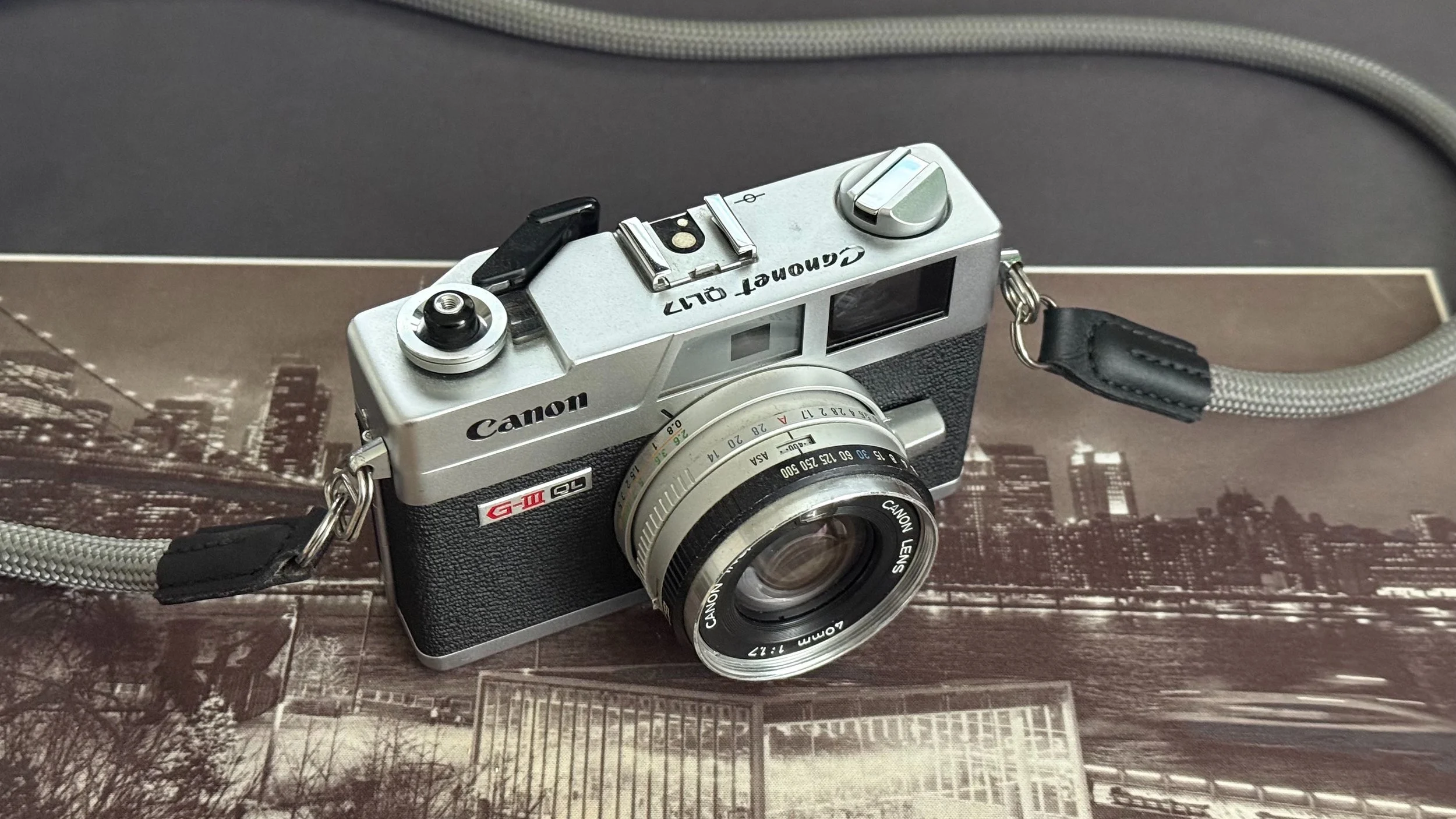
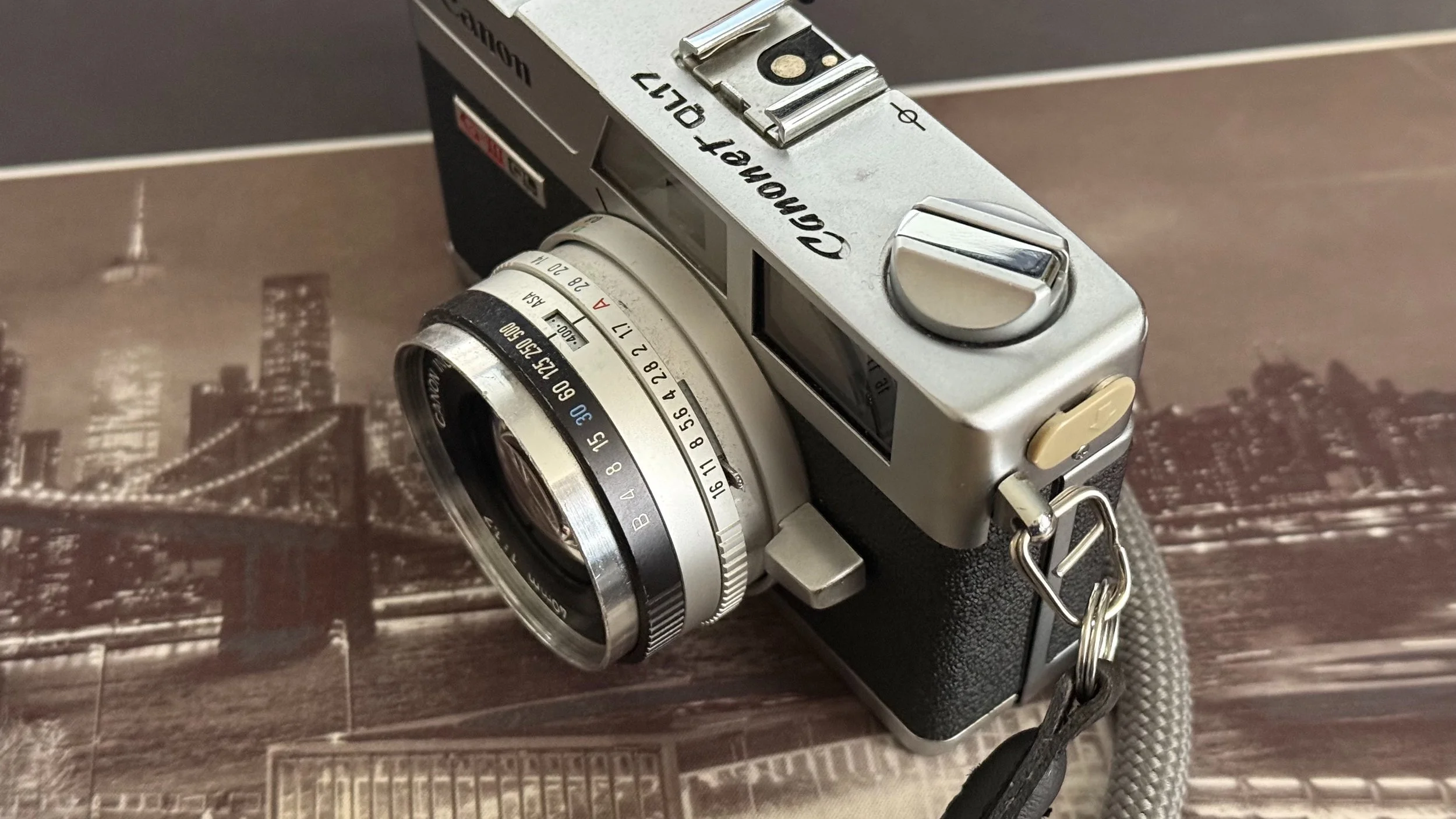
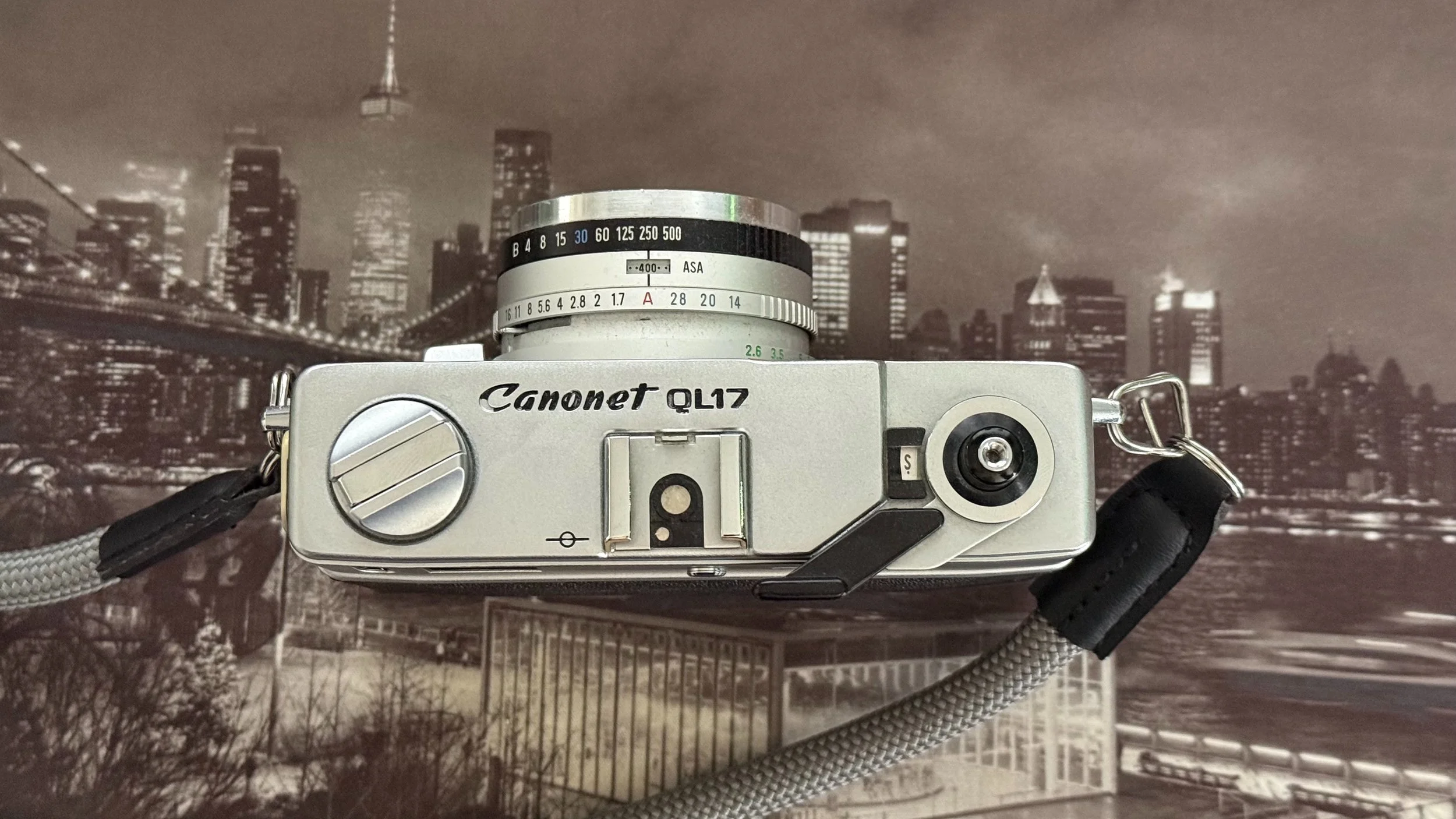
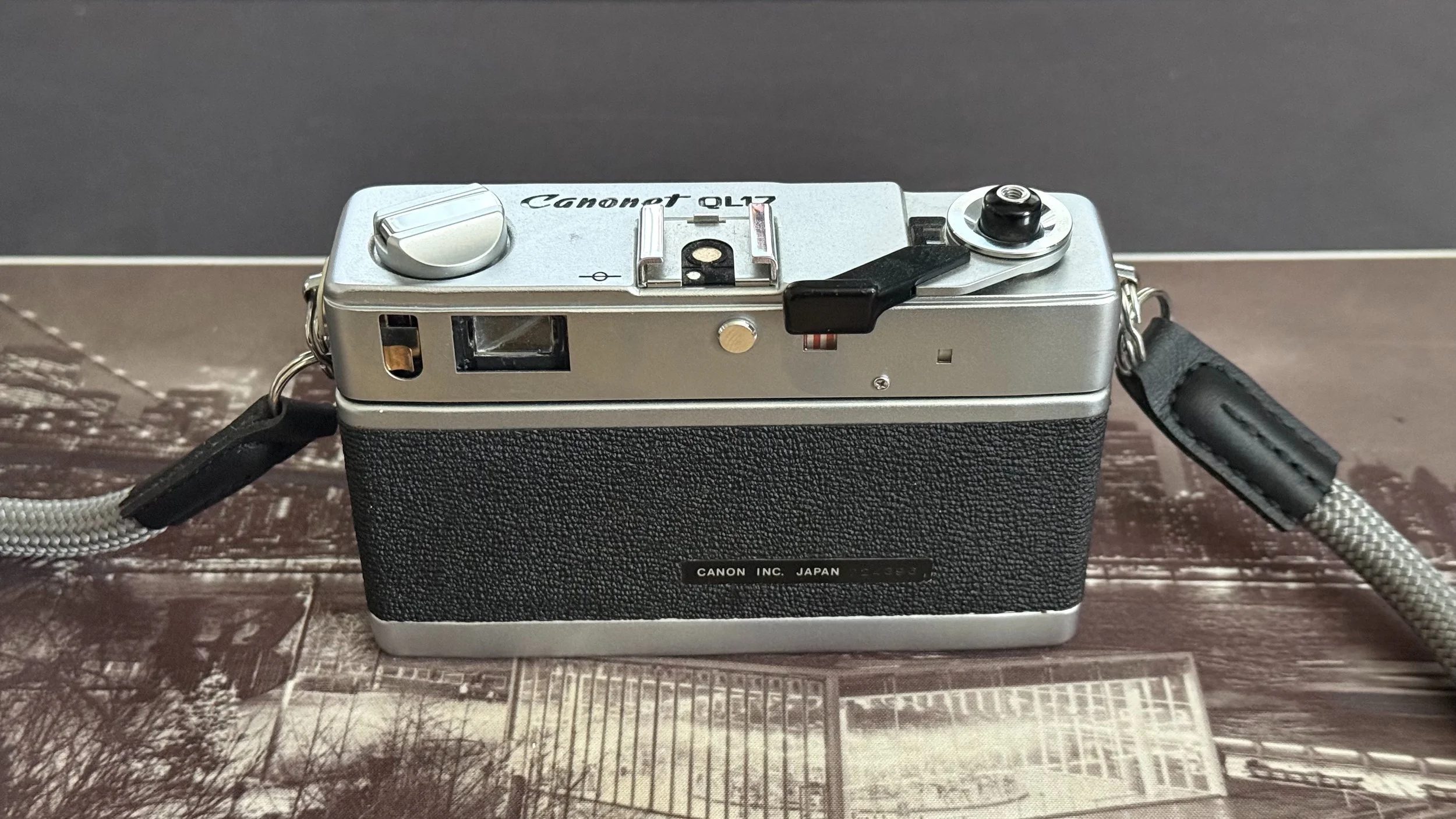
Made in the 1970s, this is a very popular and loved 35mm rangefinder. It has a 40mm F1.7 fixed-lens, which is actually a pretty decent lens. The QL stands for “quick-loading”, and that’s one of the best parts of this camera. The “17” stands for the aperture, 1.7. The light meter is powered by two LR44 batteries, but you can also use the camera without batteries if you don’t want to use the light meter.
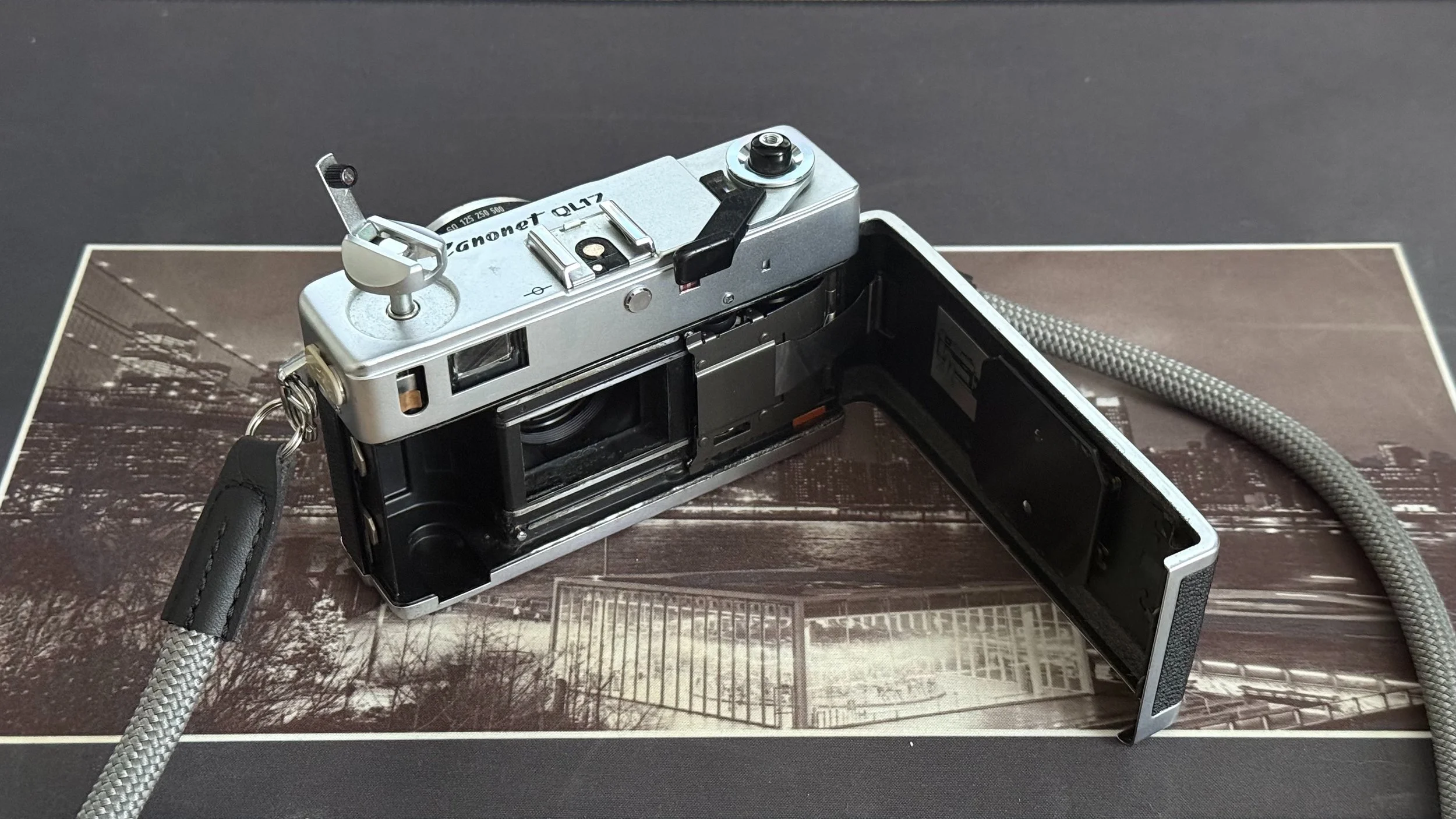
The shutter speeds range from 1/4-1/500, and it also has a bulb mode. There is a mode for shutter-priority auto exposure, which allows you to set your shutter speed and the camera will choose the aperture for you. It has a leaf shutter, so it is really quiet which is great for street photography. The loading mechanism truly is quick — all you need to do is pull some film out of the canister and lay it down into the spool, then close the back.
The camera itself is really compact, making it great for carrying around with you all day. I bought mine on eBay for just under $200, and you can find them anywhere from $120-250 depending on the condition and color.
Who is it for?
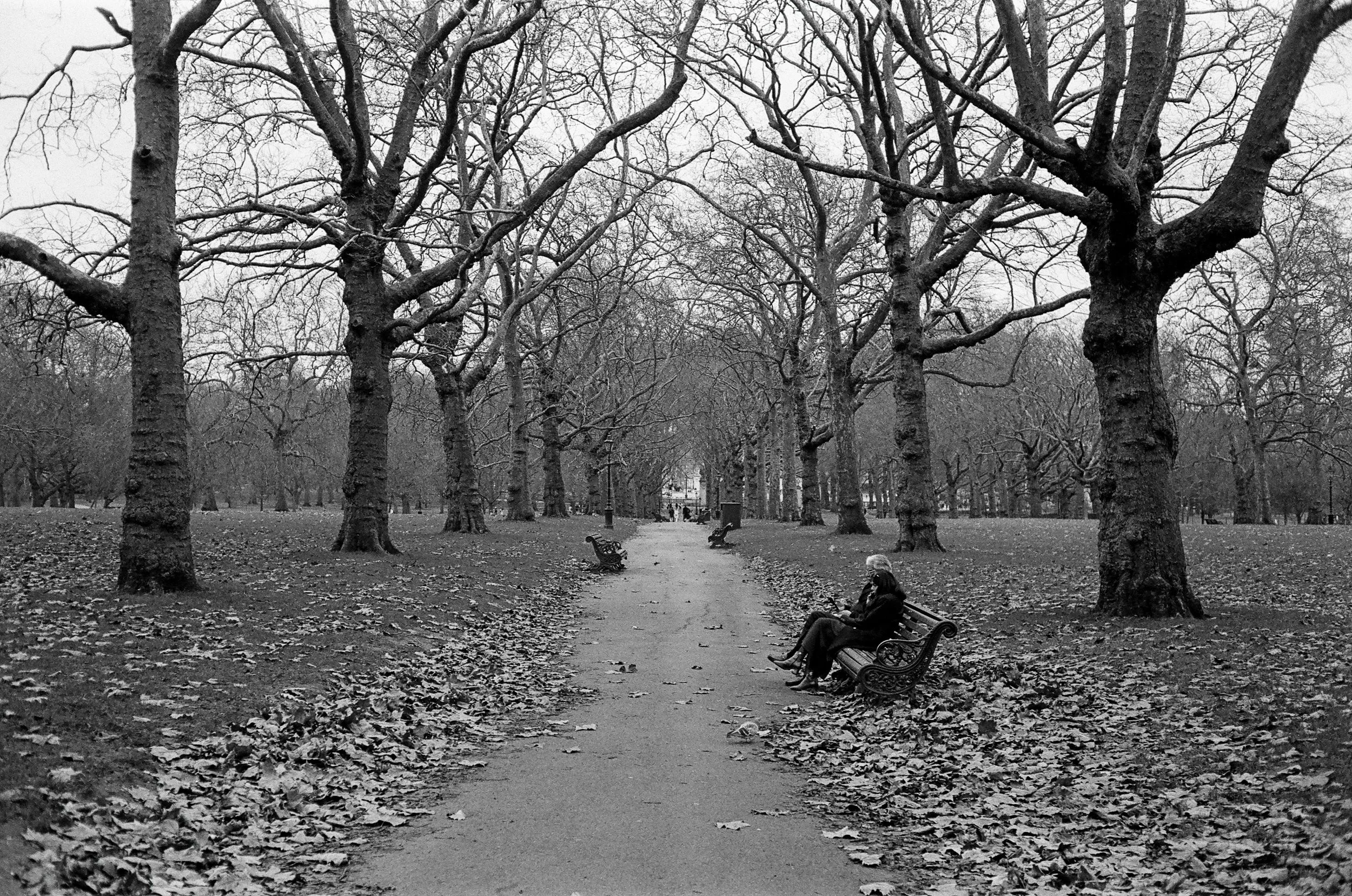
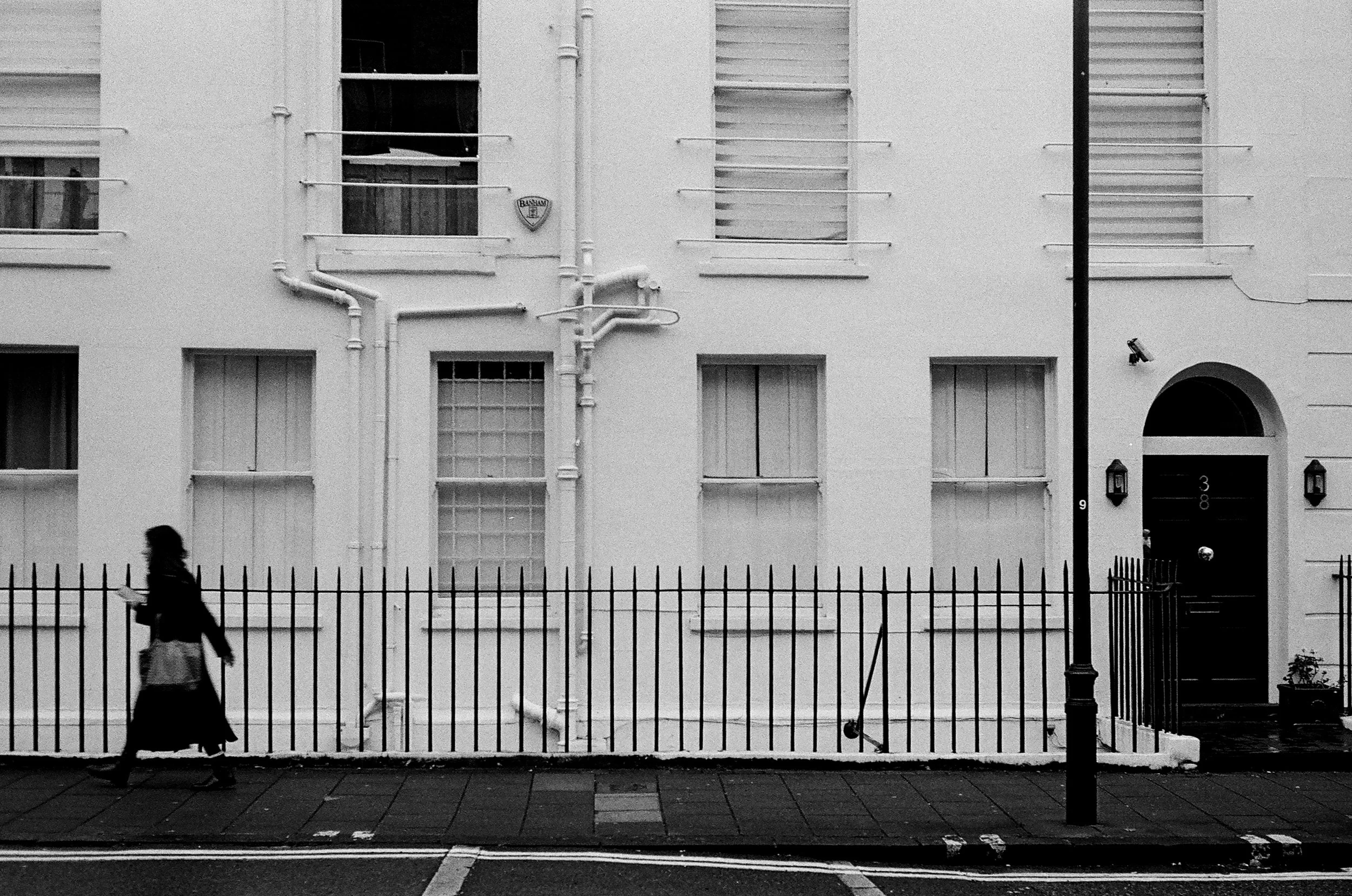
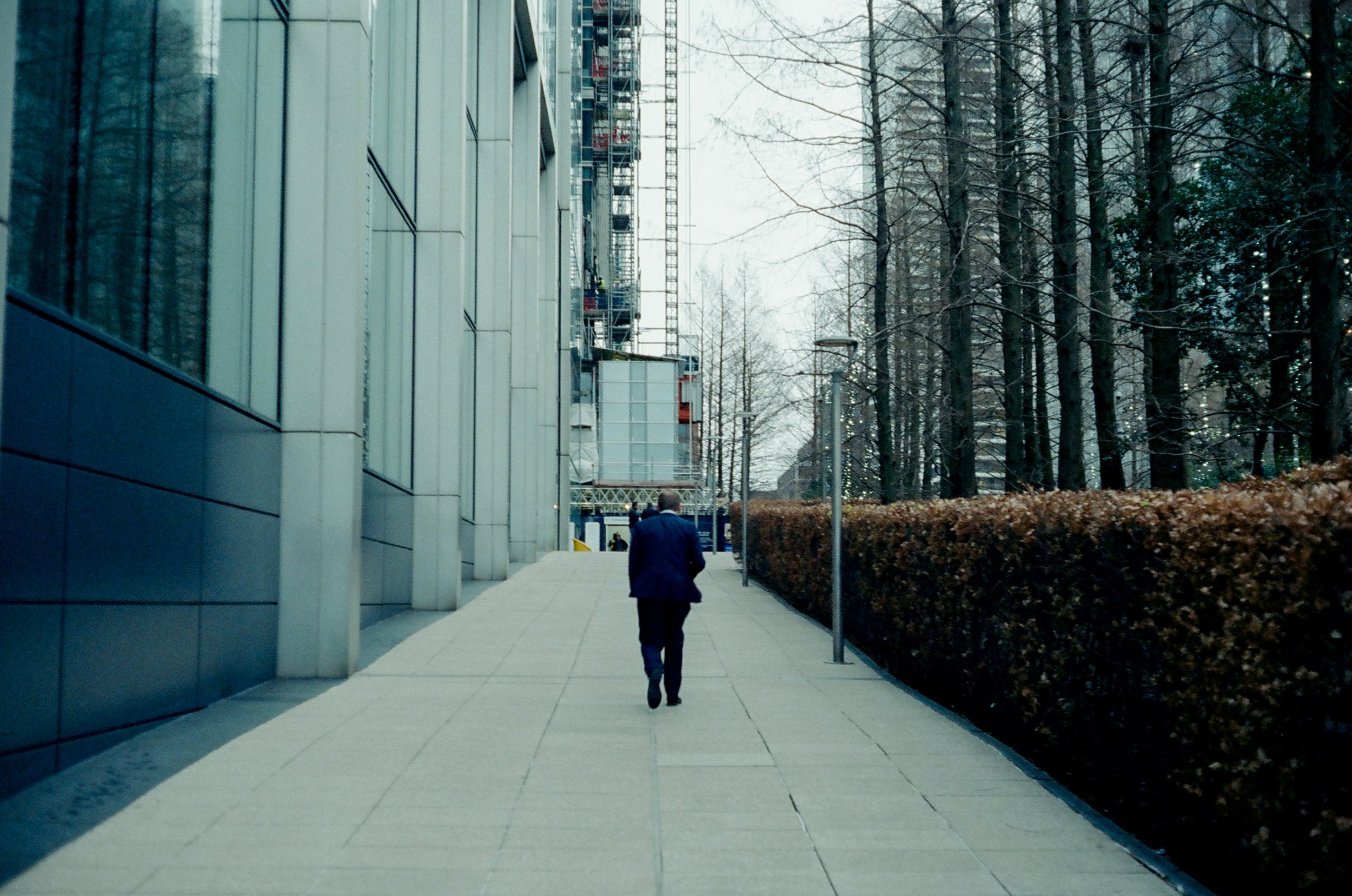
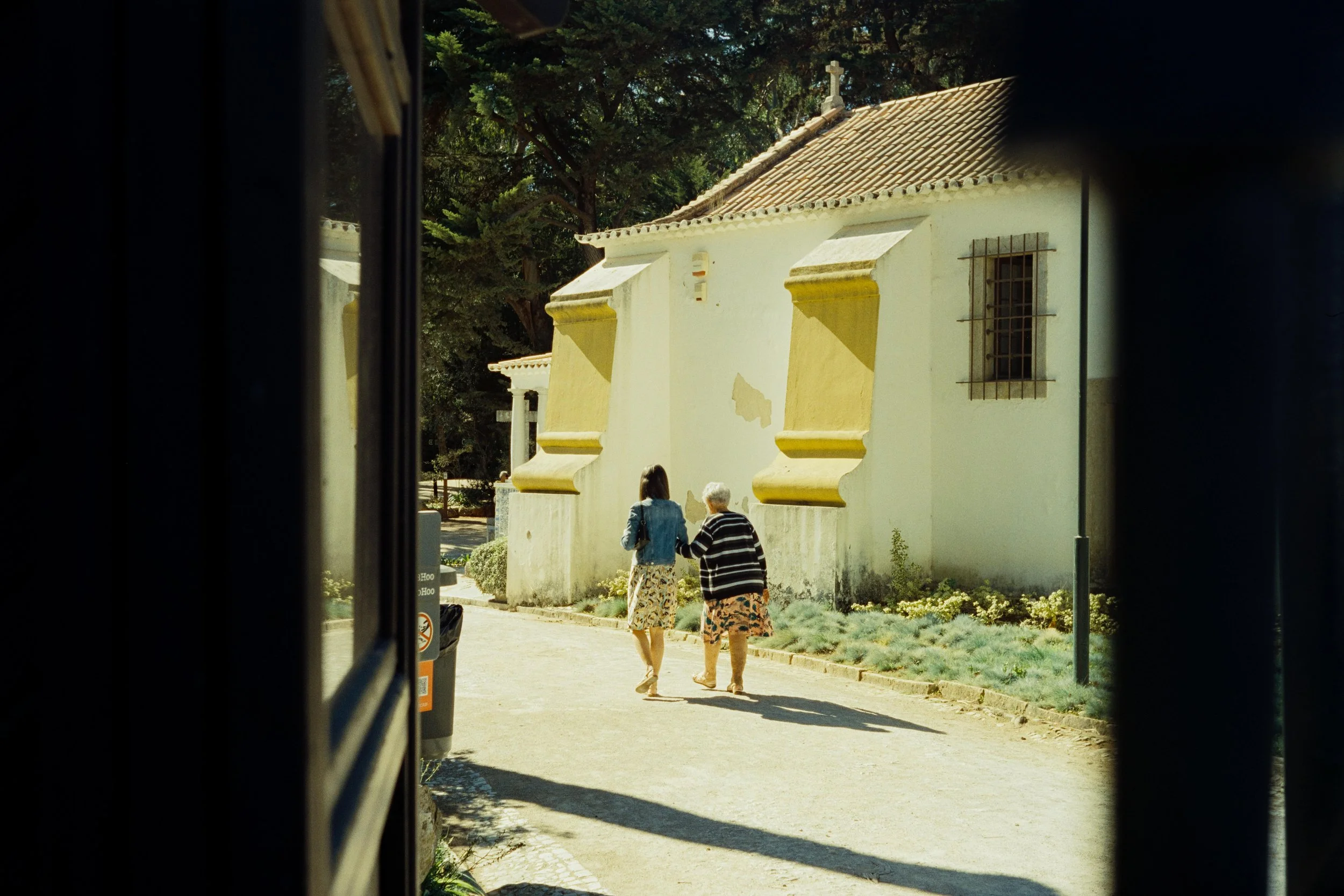
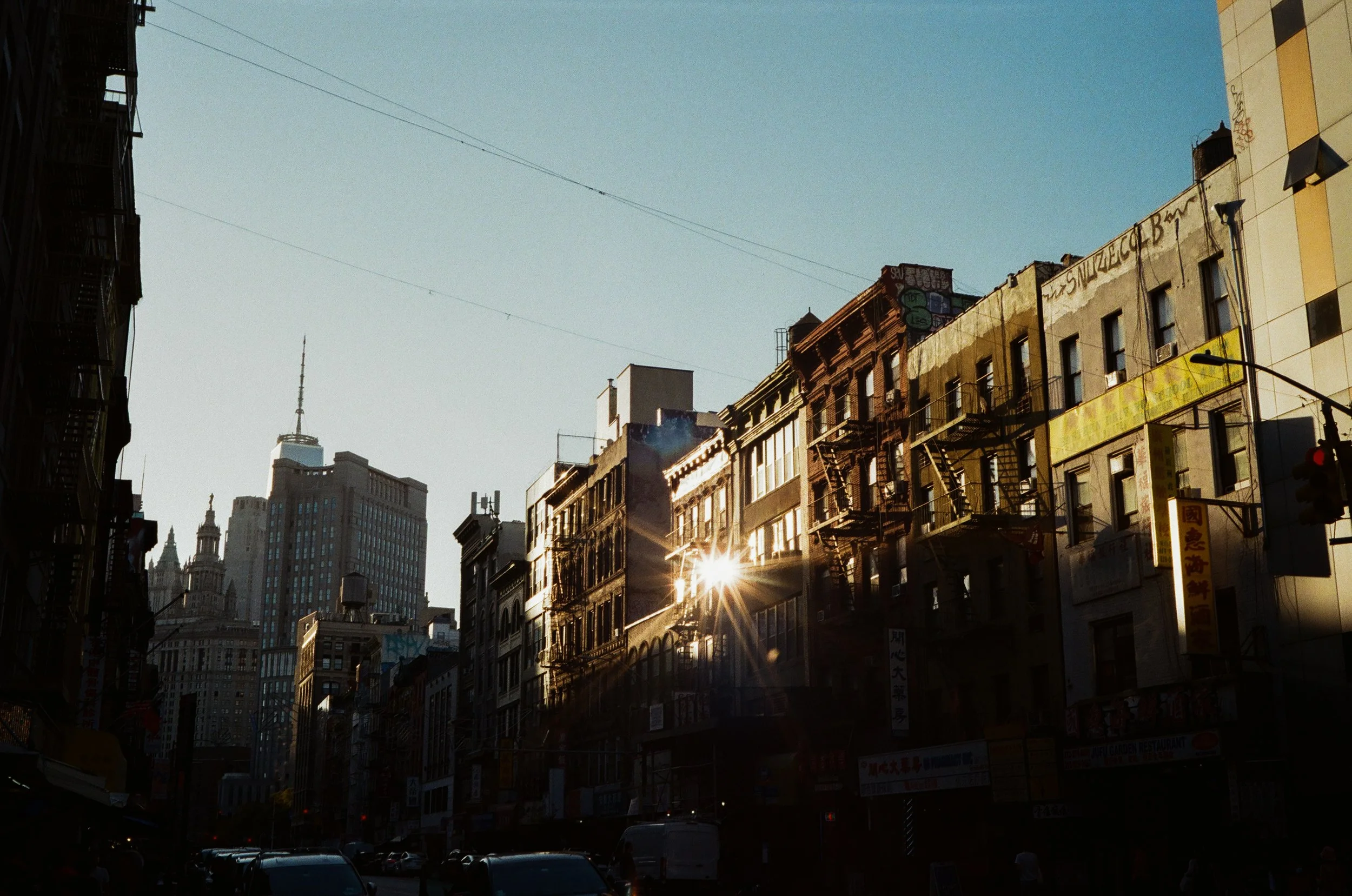
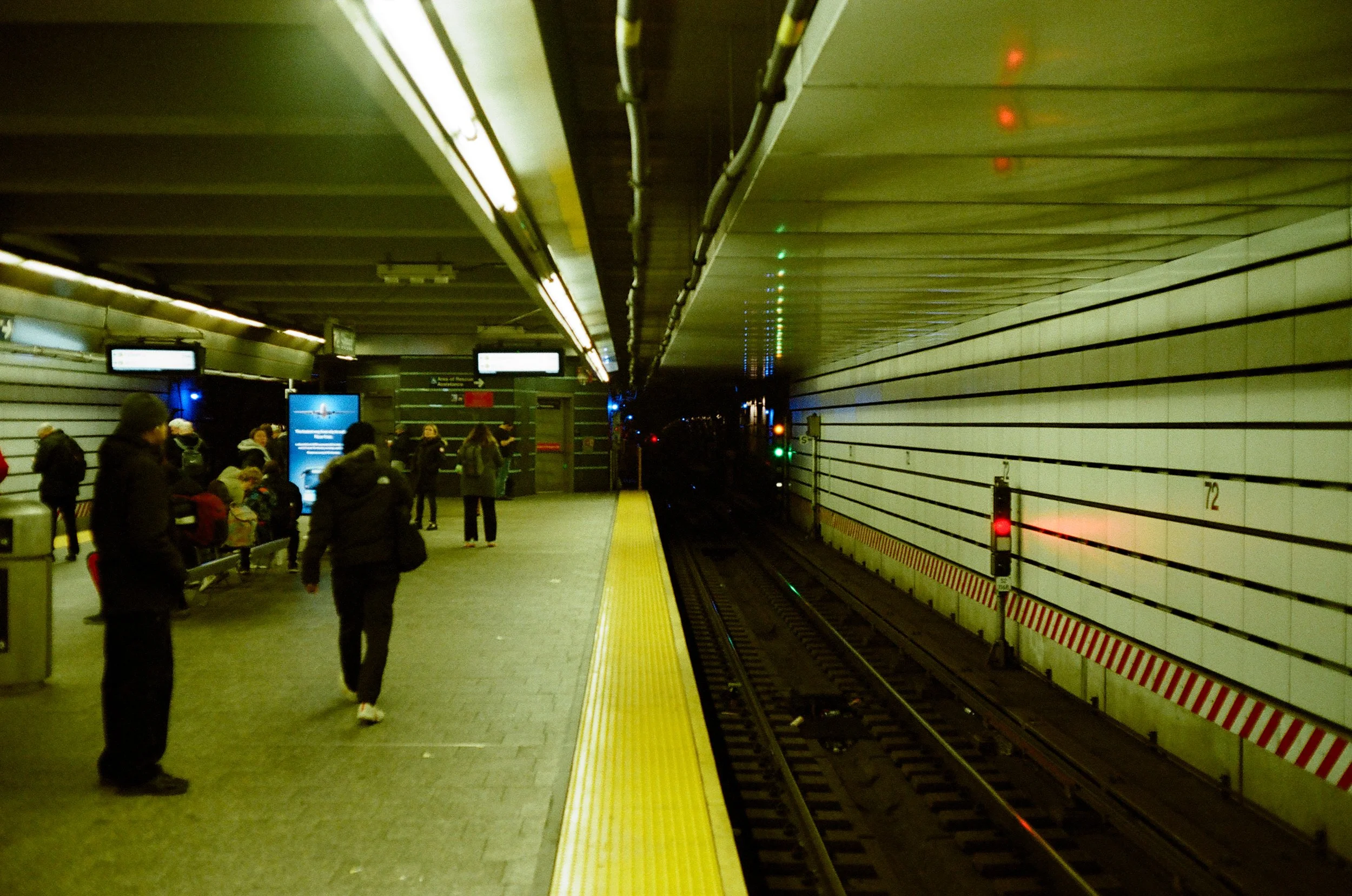
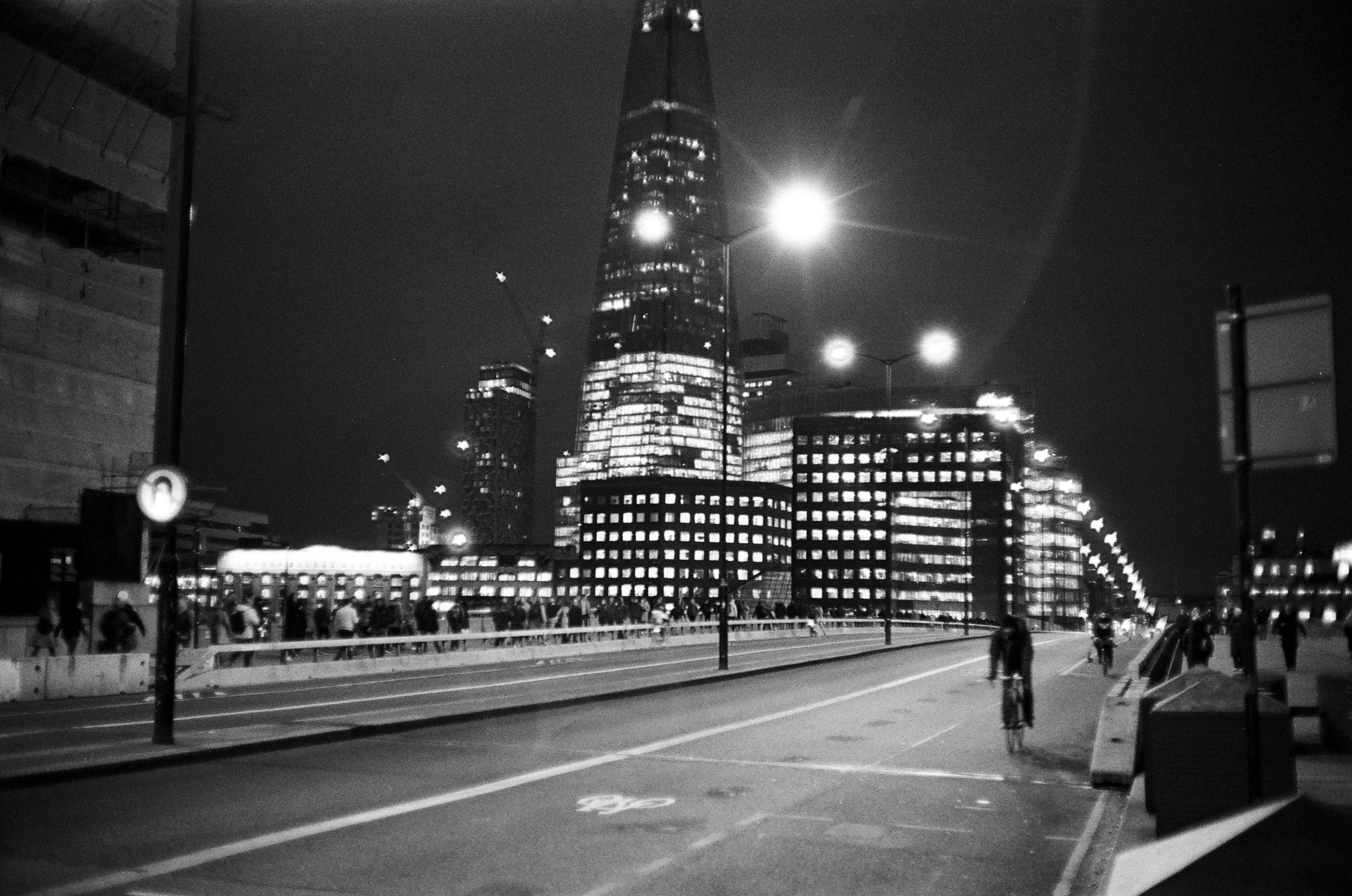
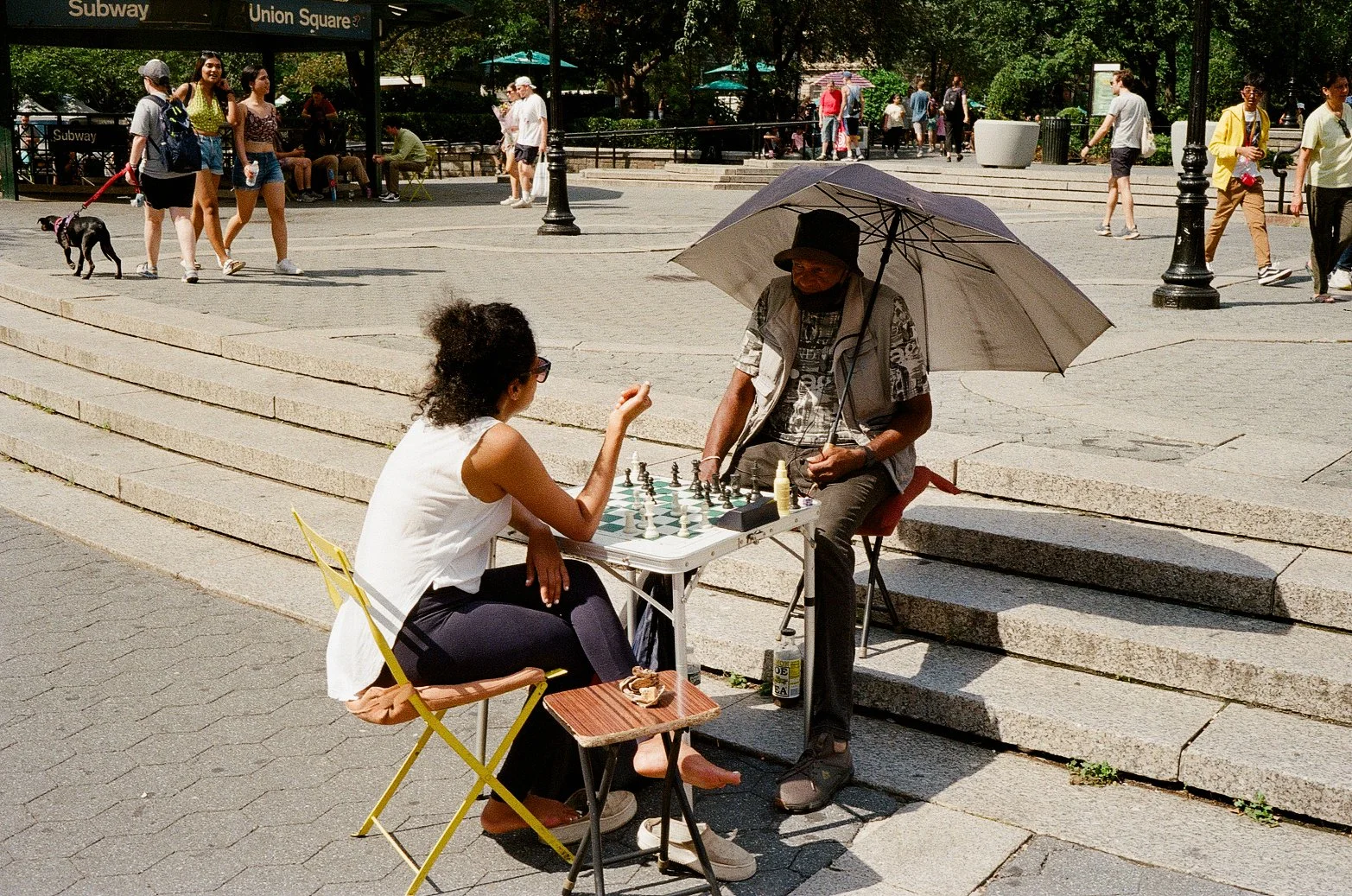
Honestly, this can be for anyone. It’s not a high-end camera by any means, but I enjoyed my time with it when it was the main camera I was using. It’s a really nice option because you don’t have to think too much when you’re using it. You can set your shutter speed to whatever you like, then put the camera in automatic mode and it’ll choose your aperture for you. The 40mm lens is probably the thing I would think about before you get the camera. It might be a bit tight to be an everyday camera, but some people don’t mind that at all. I think it’s great for street photography if you know you like to shoot between 35mm and 50mm. The 1.7 aperture actually is pretty impressive, although it’s probably best used between 2.8 and 5.6.
If you’re coming from using an SLR or point-and-shoot film camera, and you want to give the rangefinder system a try, this is a really good choice to do that. The price won’t set you back much at all, and I think it’s a camera most people end up keeping for a while even though they eventually upgrade. It didn’t last long as my main film camera (only about 5 months), but I never really considered selling it because it was a really easy camera to use and it’s a really nice size.






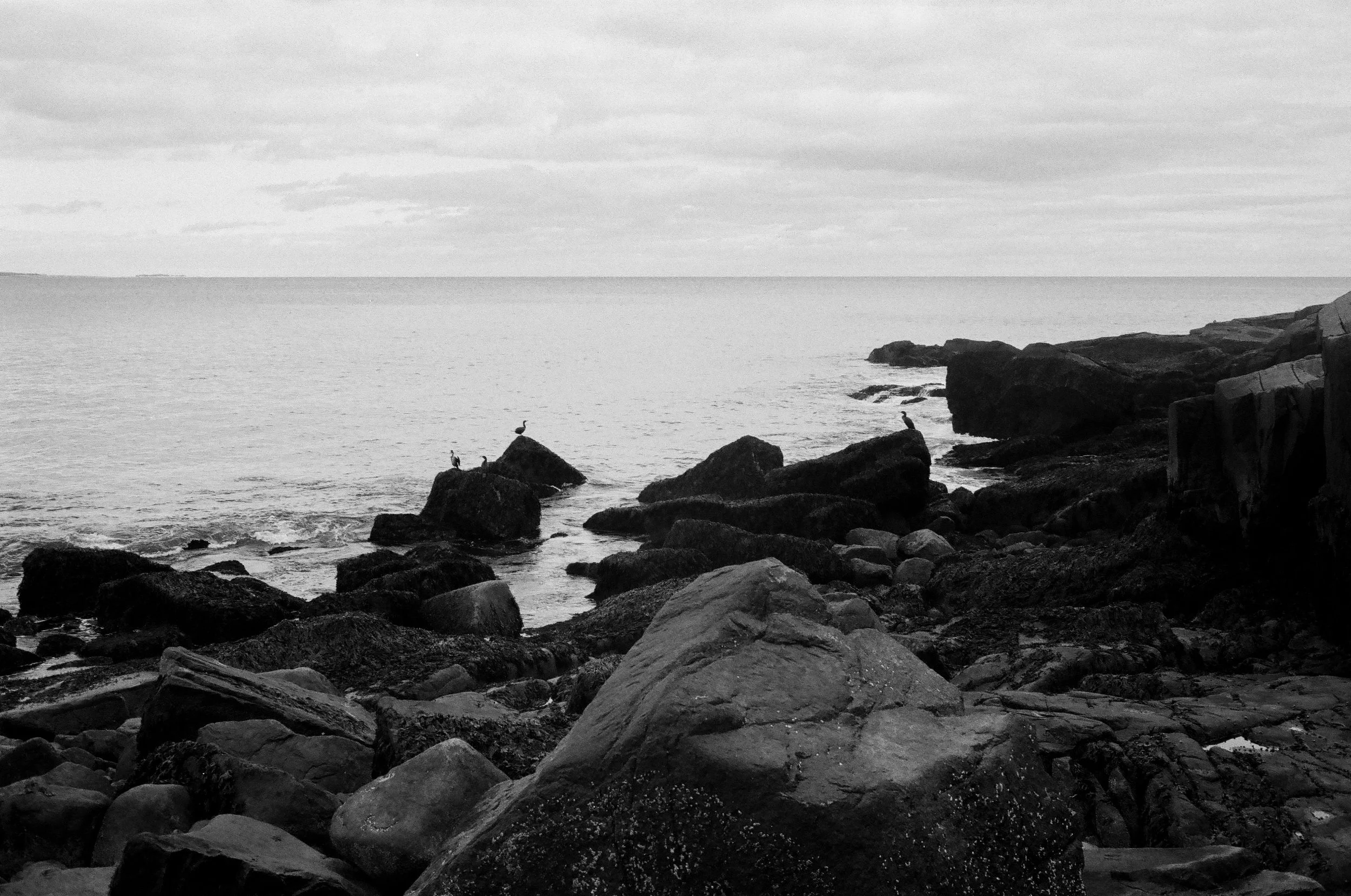
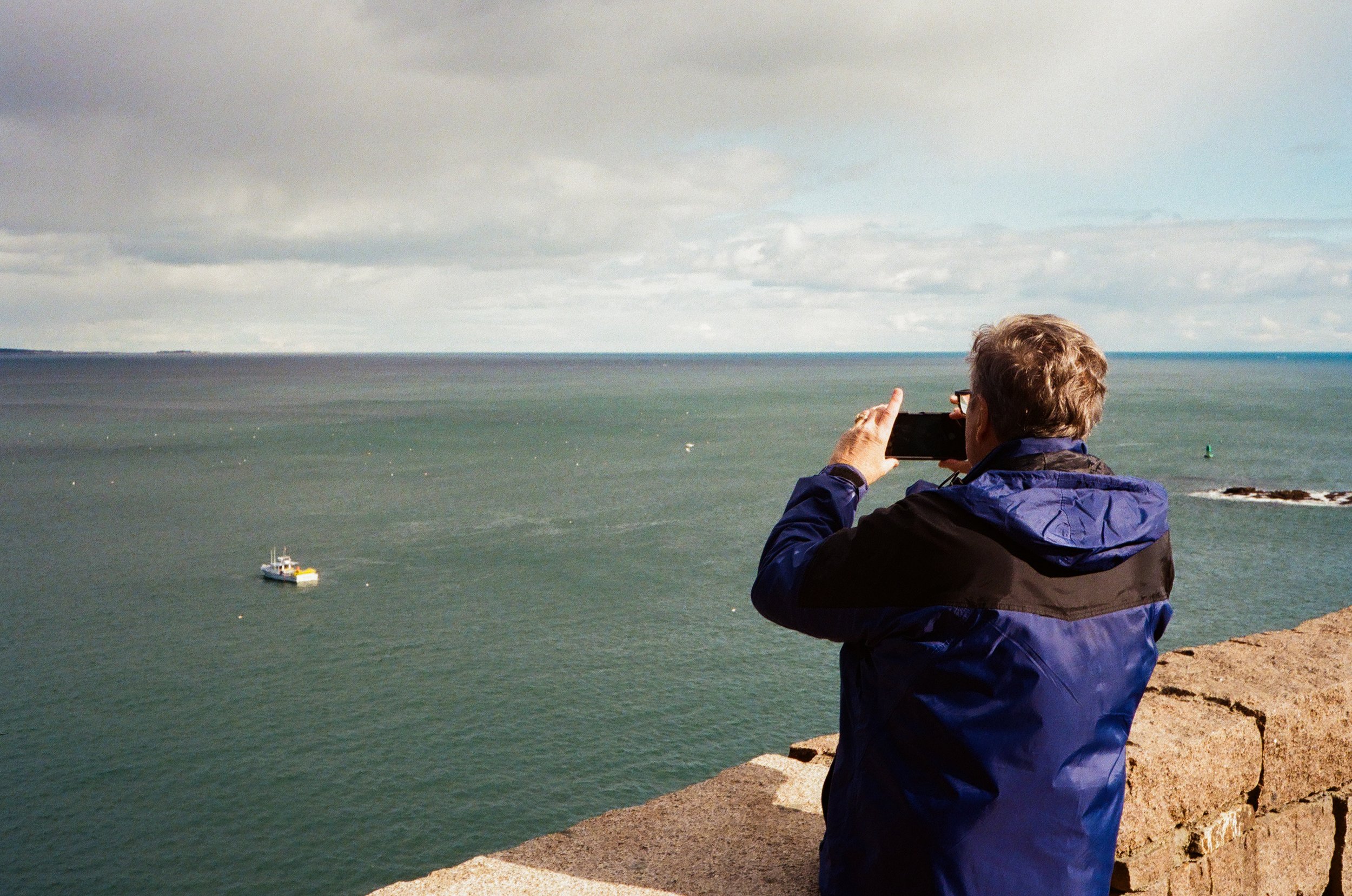
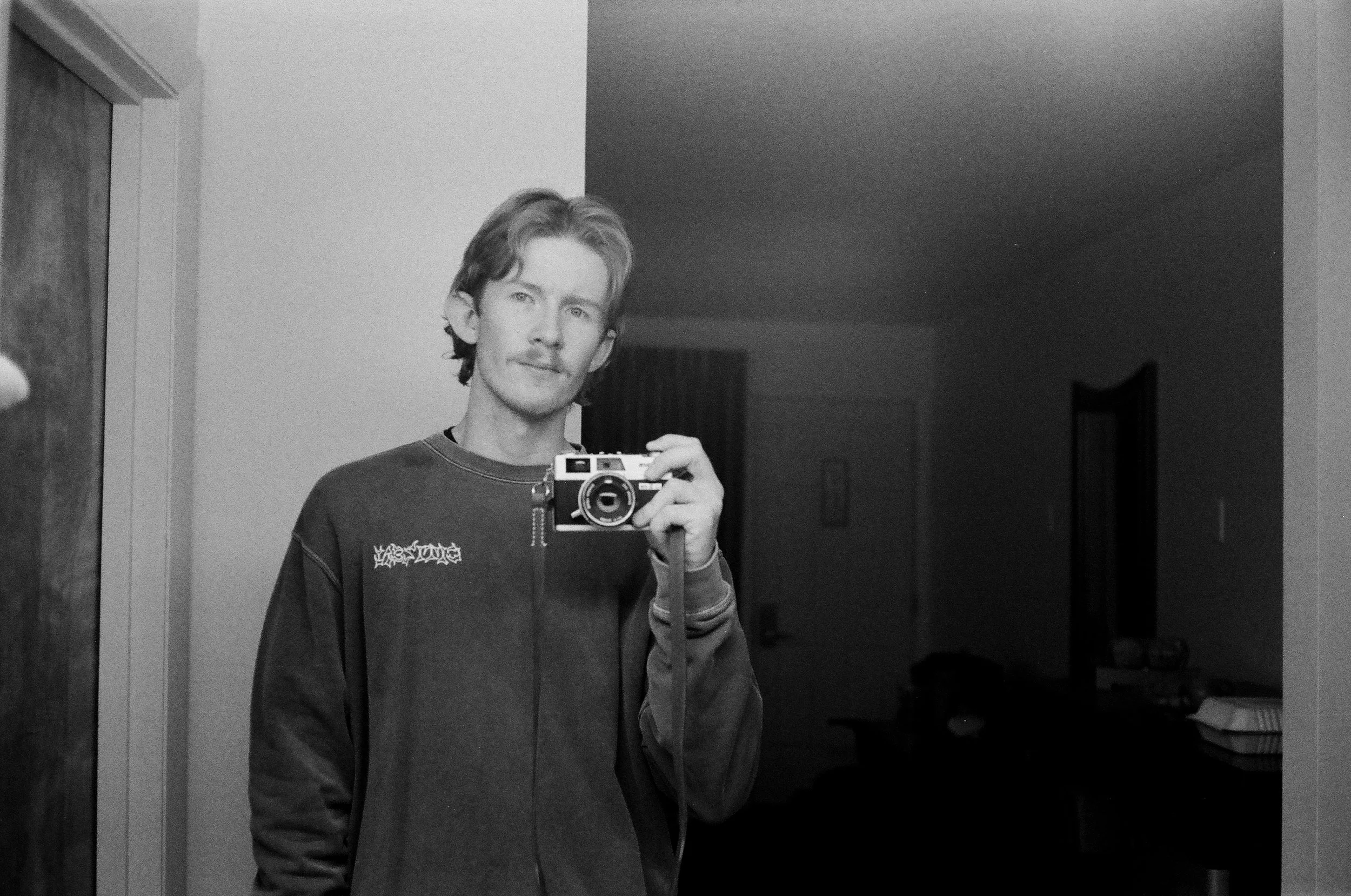



Some not-so-great things
This camera was meant to be very user-friendly, and the features make that obvious. The build quality is pretty good, although the eyepiece that also has a battery level indicator ended up falling off of mine after a few months, but that doesn’t affect the usability of the camera at all. You are slightly limited with the shutter speeds since it tops out at 1/500, so you might get some overexposed shots if you’re shooting an 800 or higher speed film in really bright conditions. The viewfinder isn’t the best in terms of brightness and clarity, especially in low-light, but for the most part it’s good enough. My viewfinder is slightly hazy, but that’s not too uncommon for older cameras. I’d recommend trying to find one without any fungus or haze in it (obviously). Since you have a fixed 40mm lens, you lose the option to swap focal lengths so before you buy it, consider if that’s something you’re okay with.
Overall, you get what you pay for with this camera, but I think the ease of use is what makes this camera fun. You get one auto mode, a really fast and easy loading system, and a fast aperture lens — all packed into a compact body.